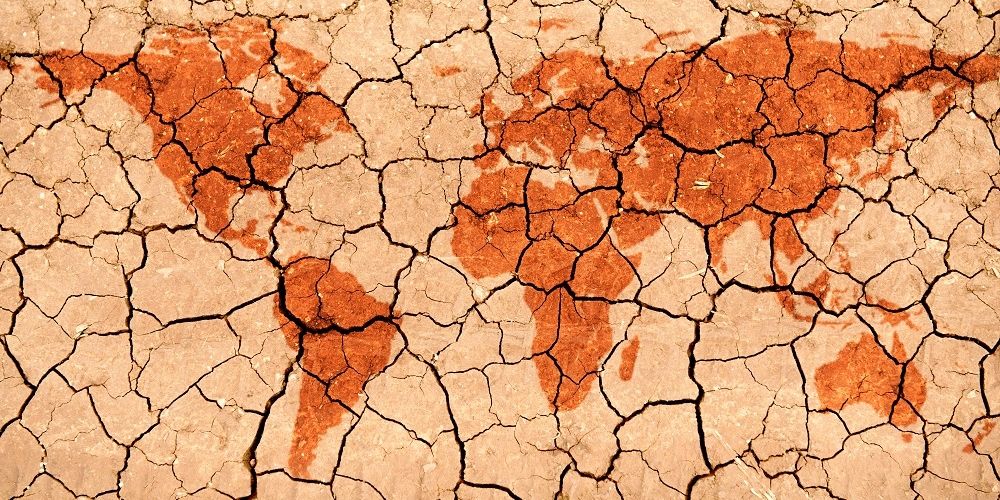
The first World Disaster Report was published in 1993 with the aims of bringing up the latest trends, facts and anlysis of comtemporary disasters and the impact of disasters on vulnerable people in the globe. It is convened by the International Federation of Red Cross and Red Crescent Societies (IFRC) annually to bring together researchers, humanitarian workers and various experts to highlight the most imperative emerging issues as a key reference document for disaster management practitioners.
You are here
出版物 & 研究
出版物 & 研究
我們為研究人員、災難管理人員、醫護人員及學生,提供一個專業交流、合作及政策討論的平台

出版物 & 研究
香港賽馬會災難防護應變教研中心的出版物涵蓋了教研中心跟合作夥伴、顯赫學術機構的研究項目,以及有關災難防護和應變的其他研究與開發。
指引列出了教研中心特別揀選的災難管理技術資訊、操作指引和有用工具。
博客提供了一個平台,讓持份者能分享與災難有關的最新動態、意見及經驗分享。
博客文章由作者以個人身份或代表所屬單位撰寫。內容表達的觀點、思維及意見純屬作者個人想法,並不代表香港賽馬會災難防護應變教研中心的立場。
公眾可在尊重知識產權情況下,使用所有資料,並必須適當引述出處。
2019
23/12/2019
[中文翻譯版本即將推出]
[中文翻譯版本即將推出]
The first World Disaster Report was published in 1993 with the aims of bringing up the latest trends, facts and anlysis of comtemporary disasters and the impact of disasters on vulnerable people in the globe. It is convened by the International Federation of Red Cross and Red Crescent Societies (IFRC) annually to bring together researchers, humanitarian workers and various experts to highlight the most imperative emerging issues as a key reference document for disaster management practitioners.
With a theme of "Leave No One Behind", the 2018 World Disaster Report lays out the problem that vulnerable people with significant humanitarian needs are left behind by the humanitarian sector in some situations. The report tries to examine the factors which cause the most vulnerable communities to be missed out, i.e. why they are "out of sight". The five factors that the report describes as the reasons of missing out those people in need of assistance are summarised in the diagram shown below. Apart from these five reasons, the report looks into the factors that inhibit the presence of internationally funded humanitarian assistance in the emergency field. These factors include: political, security and physical environment issues.
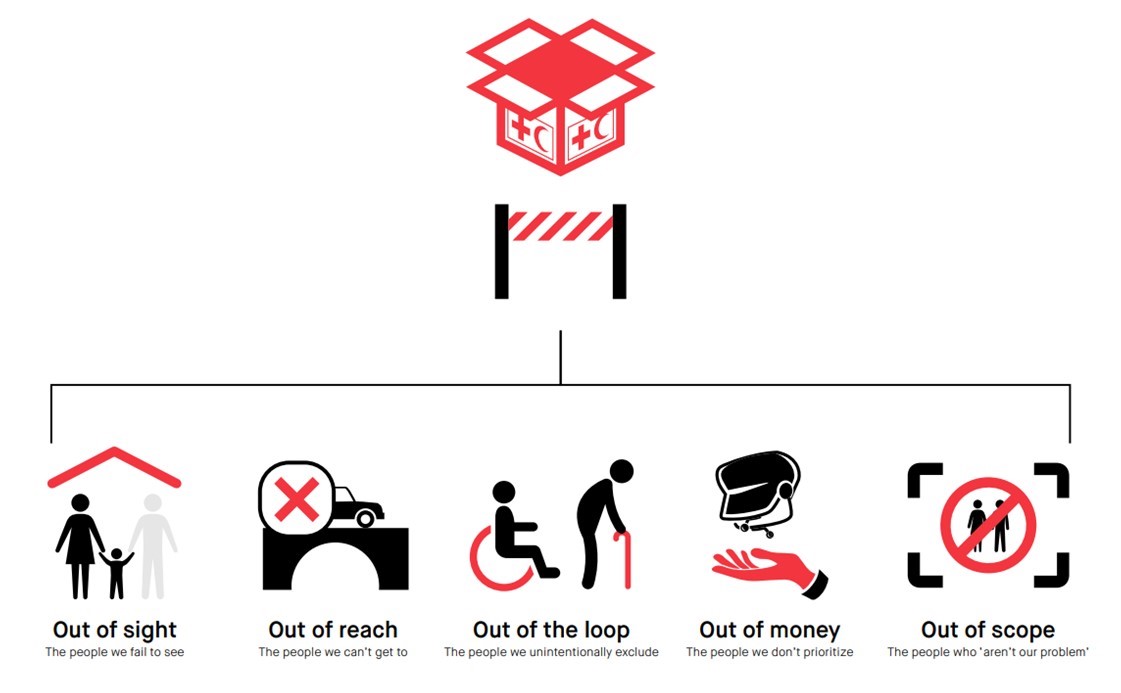
The five factors that the report describes as the reasons of missing out those people in need of assistance (source: IFRC World Disaster Report 2018)
The report sets out recommendations in six main areas, and addresses specific calls to action in each area to government, international humanitarian organisations and donors. It also calls for a more conscious and transparent approach to ensuring the people in greatest needs will be prioritised for humanitarian assistance. The six main areas of recommendations are:
- Getting the incentive right
- Recognising and supporting the role of local humanitarian action
- Adopting a community-centred, participatory approach
- Taking up our shared responsibiity for resilience
- Inproving appropriate use of data and technology
- Addressing the critical cases
For details, please view the full report or executive summary on IFRC's World Disaster Report 2018 - Leave No One Behind webpage.
By Hong Kong Jockey Club Disaster Preparedness and Response Institute
28/11/2019
[中文翻譯版本即將推出]
[中文翻譯版本即將推出]
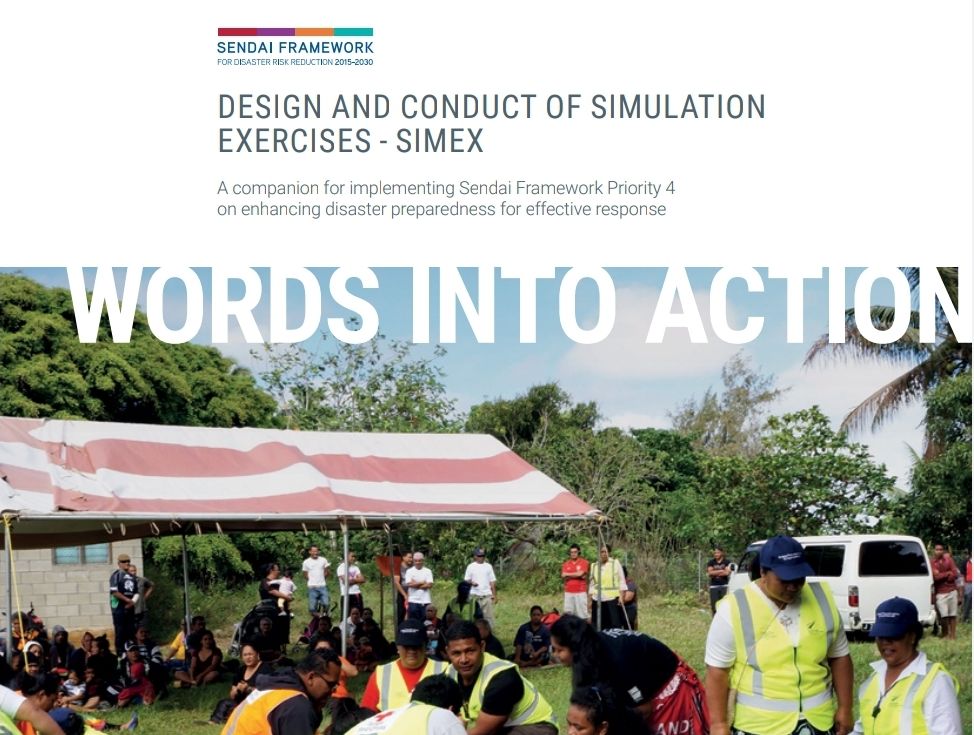
The <Words into Action guidelines - Design and conduct of simulation exercises - SIMEX (public review version)> is published by the United Nations Office for Disaster Risk Reduction (UNDRR). The guidance document targets emergency manager, relevant government departments and other players responsible for disaster preparedness planning exercises. This guidance document consists of three main sections: General information on Simulation Exercise; the Process including planning, design, implementation and debriefing; Existing Guidelines.
The <Words into Action guidelines - Design and conduct of simulation exercises - SIMEX (public review version)> is published by the United Nations Office for Disaster Risk Reduction (UNDRR). The guidance document targets emergency manager, relevant government departments and other players responsible for disaster preparedness planning exercises. This guidance document consists of three main sections: General information on Simulation Exercise; the Process including planning, design, implementation and debriefing; Existing Guidelines.
Under the Existing Guidelines section, a list of selected guidance materials on SIMEX for further reading is recommended. That includes guidance materials published by the WHO, Swedish Civil Contingency Agency, Government of New Zealand, etc.
This guidance document is part of the UNDRR's Words into Action Guideline series on practical implementation of the Sendai Framework for Disaster Risk Reduction Priority 4 component on enhancing disaster preparedness for effective response. The current version of the document a public review version which is a product of a long and detailed process of drafting, consultation and review. This document is now on the PreventionWeb for public review until 14 December 2019. For more information, please visit the review page.
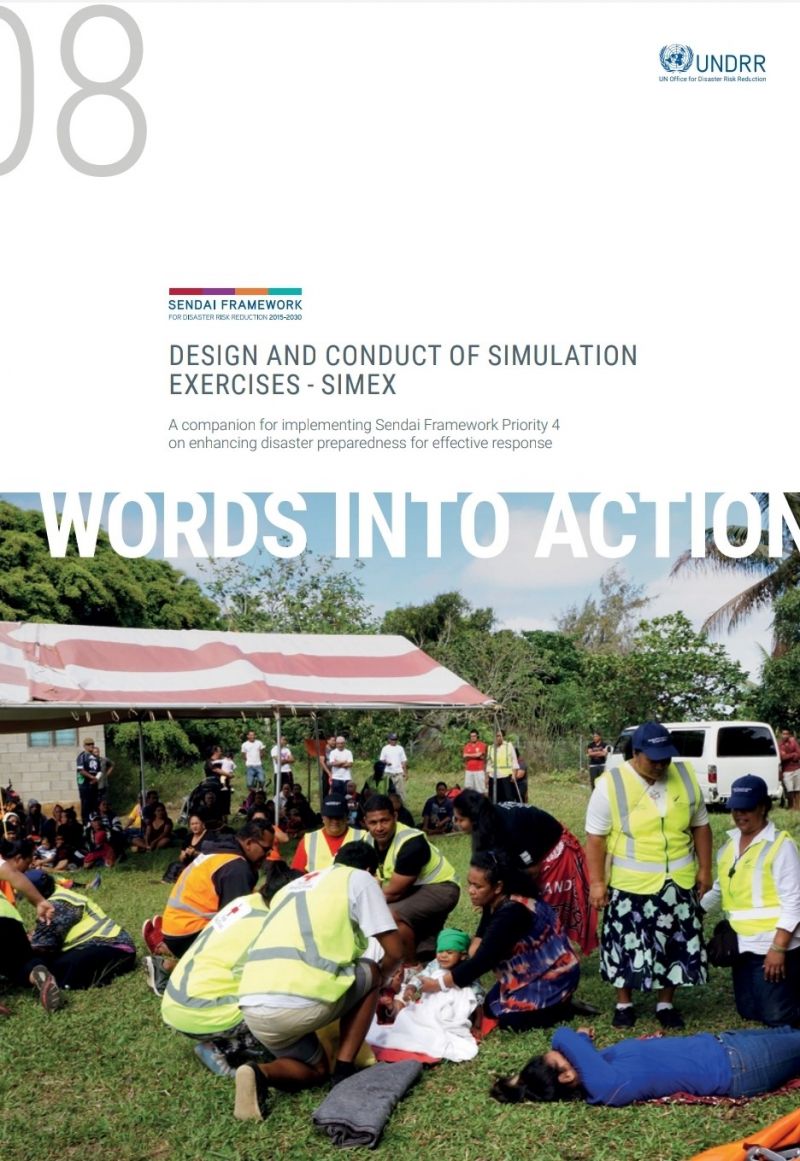
The <Words into Action guidelines - Design and conduct of simulation exercises - SIMEX (public review version)> document.
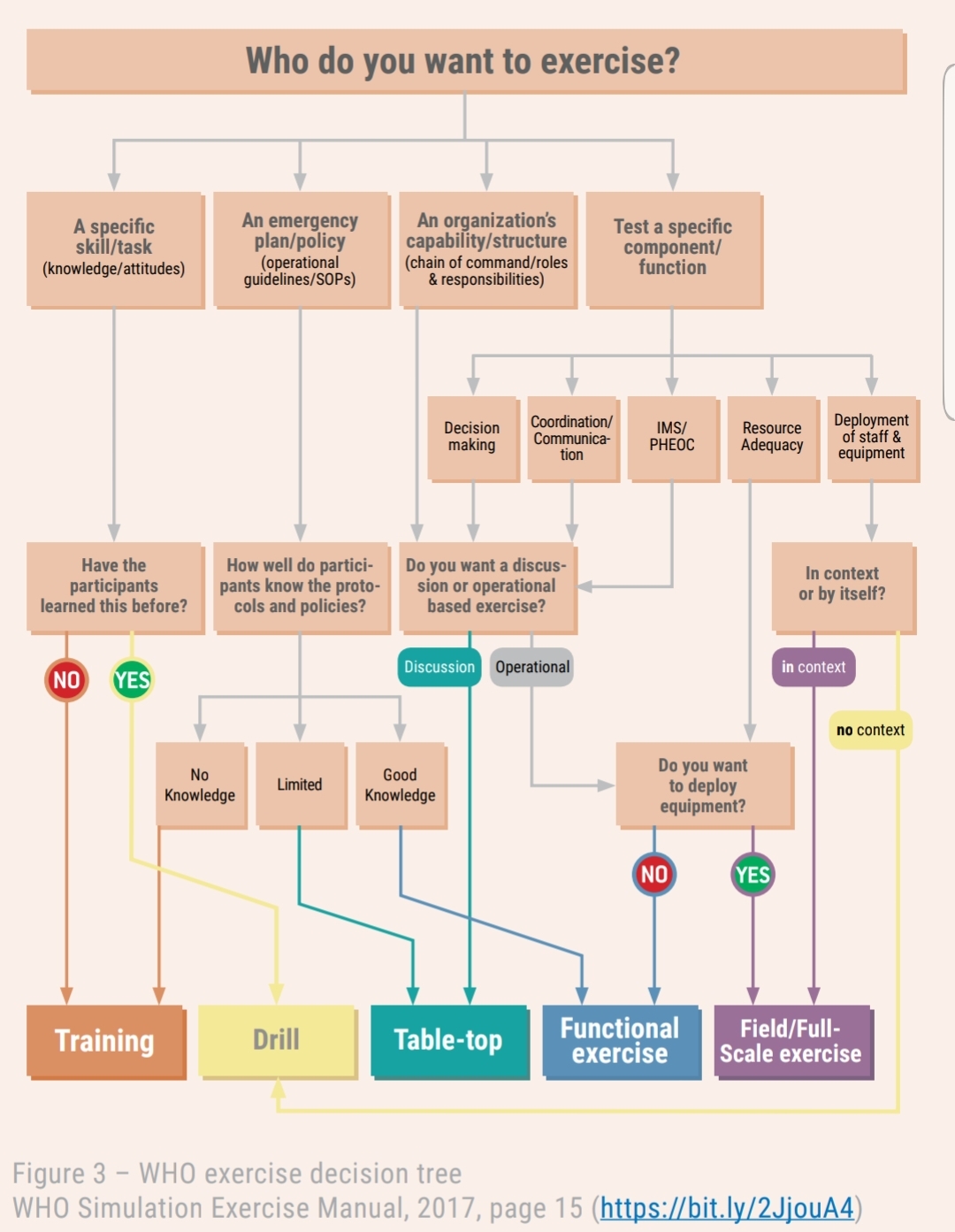
An exercise decision tree, such as displayed in the WHO Exercise Manual 2017, can facilitate the choice of exercise type.
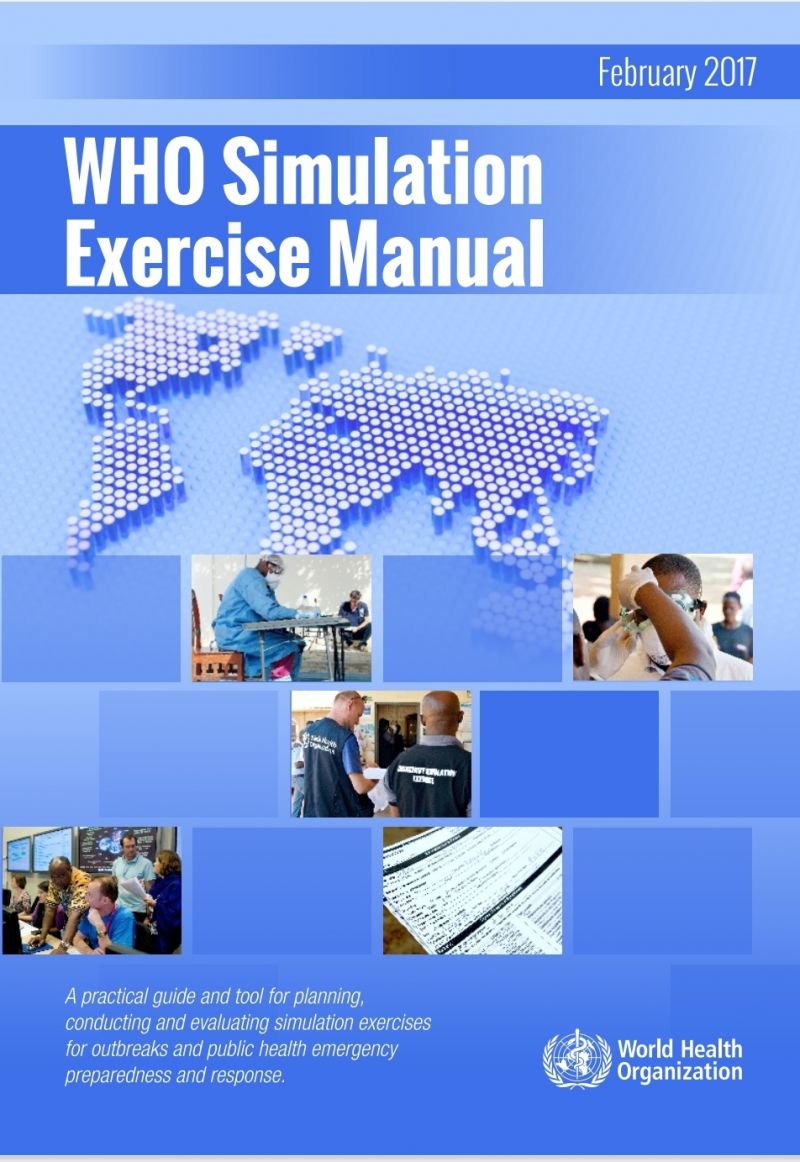
The <WHO Simulation Exercise Manual> is one of the selected guidance recommended in the <Words into Action guidelines - Design and conduct of simulation exercises - SIMEX (public review version)> guidelines.
By Hong Kong Jockey Club Disaster Preparedness and Response Institute. 28 November 2019.
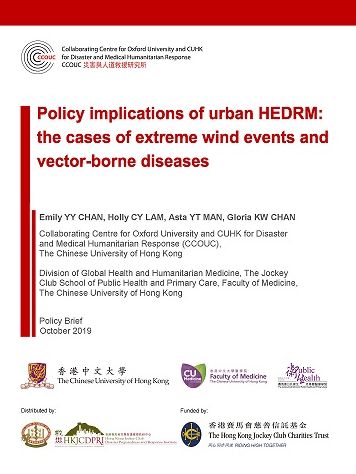
30/10/2019
Natural hazards have direct and indirect health impacts. Apart from physical and mental trauma, other health impacts include malnutrition, disrupted disease treatment plans, and risk of infectious diseases. Health impacts may be mitigated through health-related emergency and disaster risk management (Health-EDRM). They are systematic analysis and management of health risks through the reduction of hazards and vulnerability in all stages of the disaster management cycle, from prevention/mitigation, preparedness, response to recovery (Lo et al., 2017; World Health Organization [WHO], 2019).
Natural hazards have direct and indirect health impacts. Apart from physical and mental trauma, other health impacts include malnutrition, disrupted disease treatment plans, and risk of infectious diseases. Health impacts may be mitigated through health-related emergency and disaster risk management (Health-EDRM). They are systematic analysis and management of health risks through the reduction of hazards and vulnerability in all stages of the disaster management cycle, from prevention/mitigation, preparedness, response to recovery (Lo et al., 2017; World Health Organization [WHO], 2019).
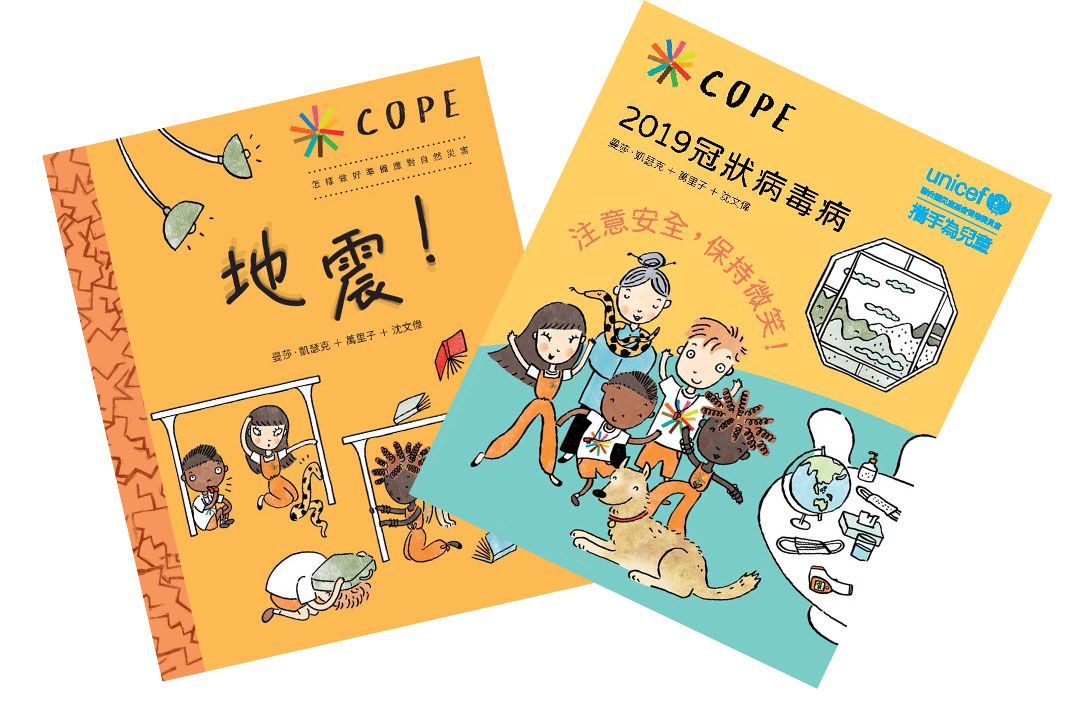
11/10/2019
A global disaster book series is now available free-of-charge in Hong Kong for our kids!
A global disaster book series is now available free-of-charge in Hong Kong for our kids!
The COPE Squad from the picture book series, COPE, is here to teach all Hong Kong kids how to Get Ready and Be Prepared in face of disasters! Under the guidance of Grand Mistress Fu, the four main characters of the series, namely Candy, Ollie, Ping and Eddy form the COPE Squad and undergo intensive training on natural disasters and how to be prepared. COPE's mission is to educate children from all over the world, so they can become COPE Champions to act as disaster role models in their community.
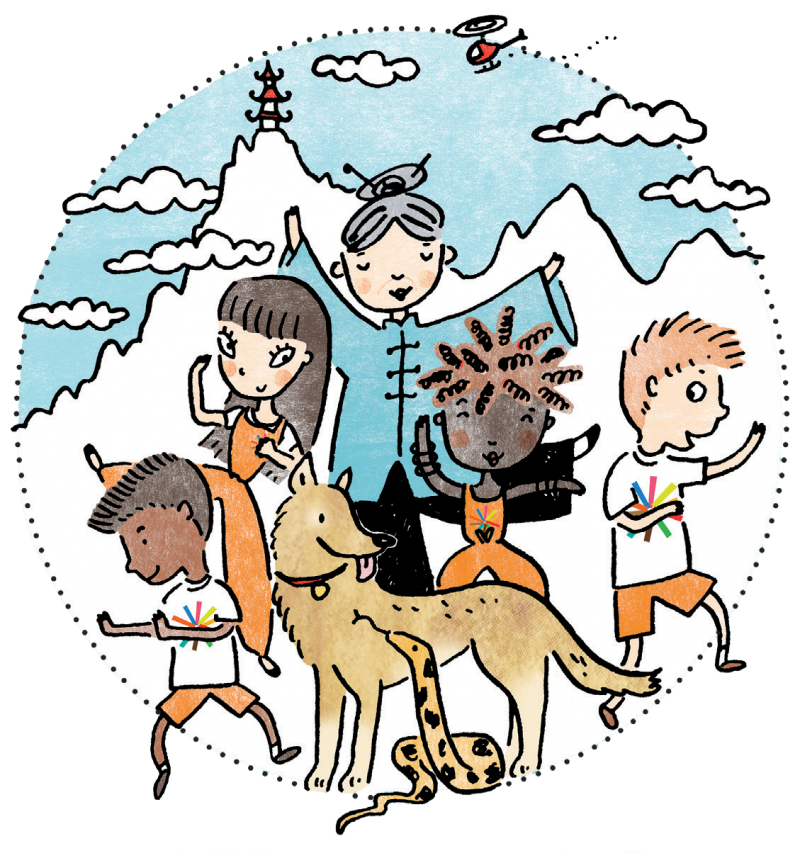
COPE is a series of fun, innovative and beautifully illustrated children’s books intended for global distribution to increase the disaster resilience of children. According to the Sendai Framework for Disaster Risk Reduction (2015-2030), which was adopted at the third United Nations (UN) World Conference on Disaster Risk Reduction in March 2015, children have a vital role to play in reducing risk, strengthening community resilience and shaping legislation to better protect against disasters. COPE’s touching and humorous illustrations will capture children’s imagination to teach them simple steps for disaster preparedness, which may one day save their lives.
The book targets at young readers aged 9-11 and parents reading to their children, aged 4-8. While the COPE books are written primarily in English with collaborative efforts from various contributors, the Hong Kong Jockey Club Disaster Preparedness and Response Institute (HKJCDPRI), together with the Hong Kong Observatory, Dr Loretta Tam and Dr Kwan Che Ying, Associate Professor, Centre for Advancement of Chinese Language Education and Research, The University of Hong Kong, have localised the contents of the book for Hong Kong readers. Today, five books, the Earthquake! (“地震!”) ,Get Up To High Ground (“走上高地”) (for Tsunami), COVID-19 (“新冠病毒病”), Flood (“水災”) and Cyclone (熱帶氣旋), have been localised and translated in Chinese.
Click and join the COPE Squad’s cyclone mission to Queensland, Australia.
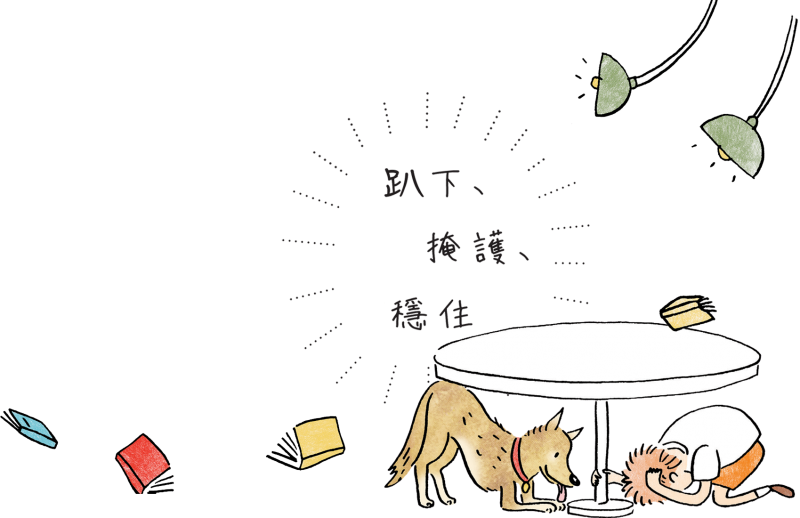
Let’s embark on journeys of discovery into the world of disasters with COPE. Make a difference today! Get Prepared and Be Ready!
Please click the graphic below to download the PDF file of the book:
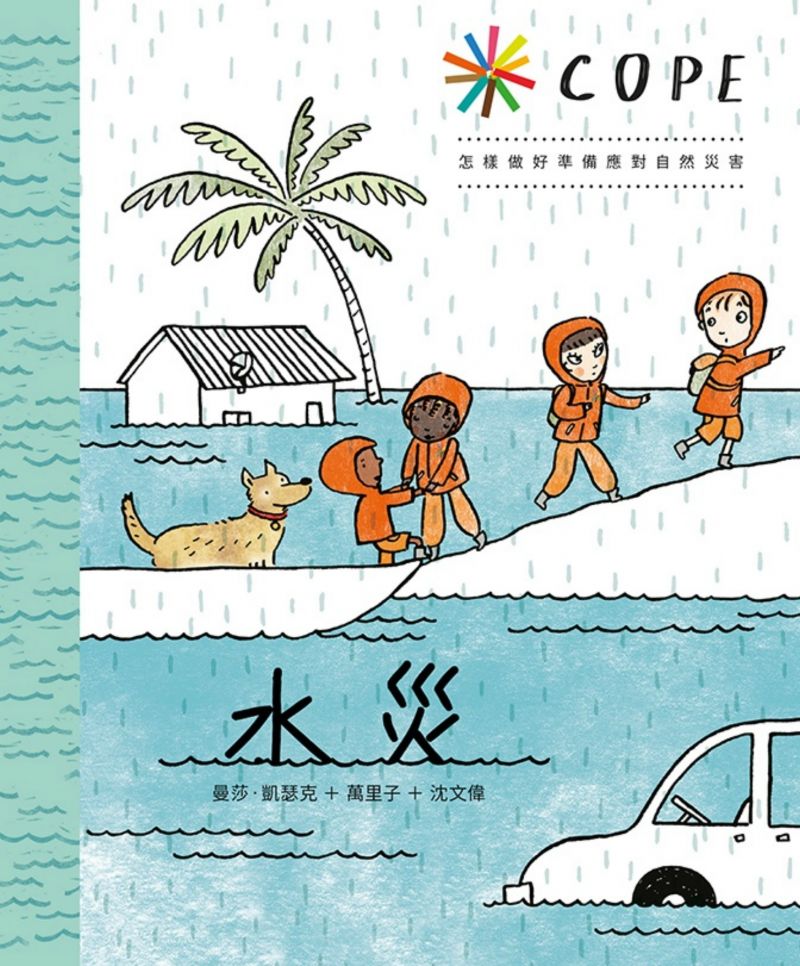
Click and join the COPE Squad’s Floods mission to Kelantan State, Malaysia
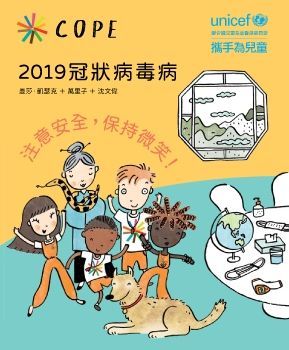
Click and join the COPE Squad’s COVID-19
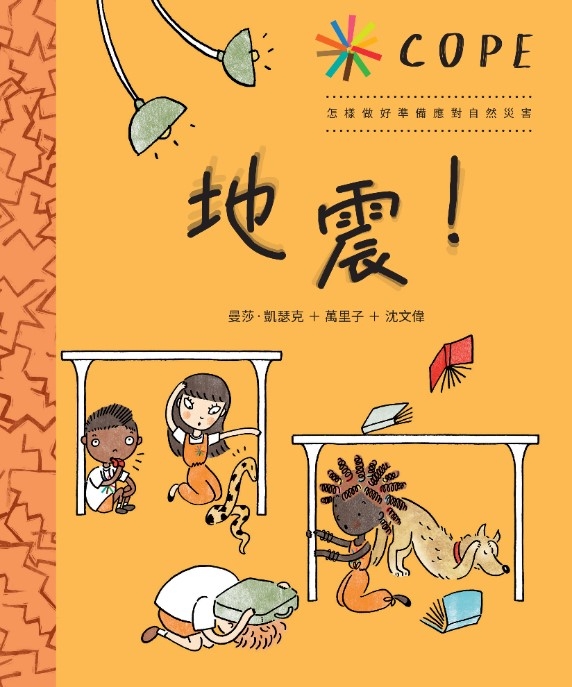
Click and join the COPE Squad’s earthquake mission to Colima, Mexico
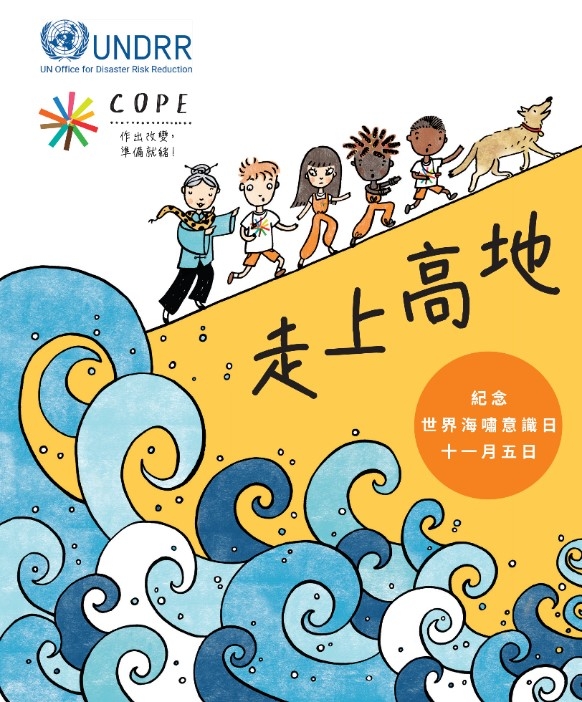
Click and join the COPE Squad’s tsunami mission to Matsushima, Japan.
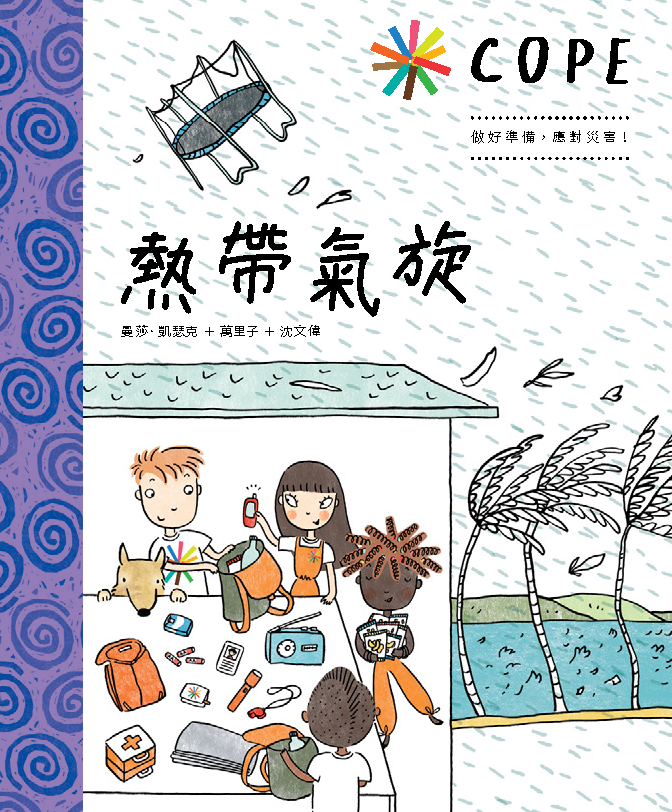
Click and join the COPE Squad’s cyclone mission to Queensland, Australia.
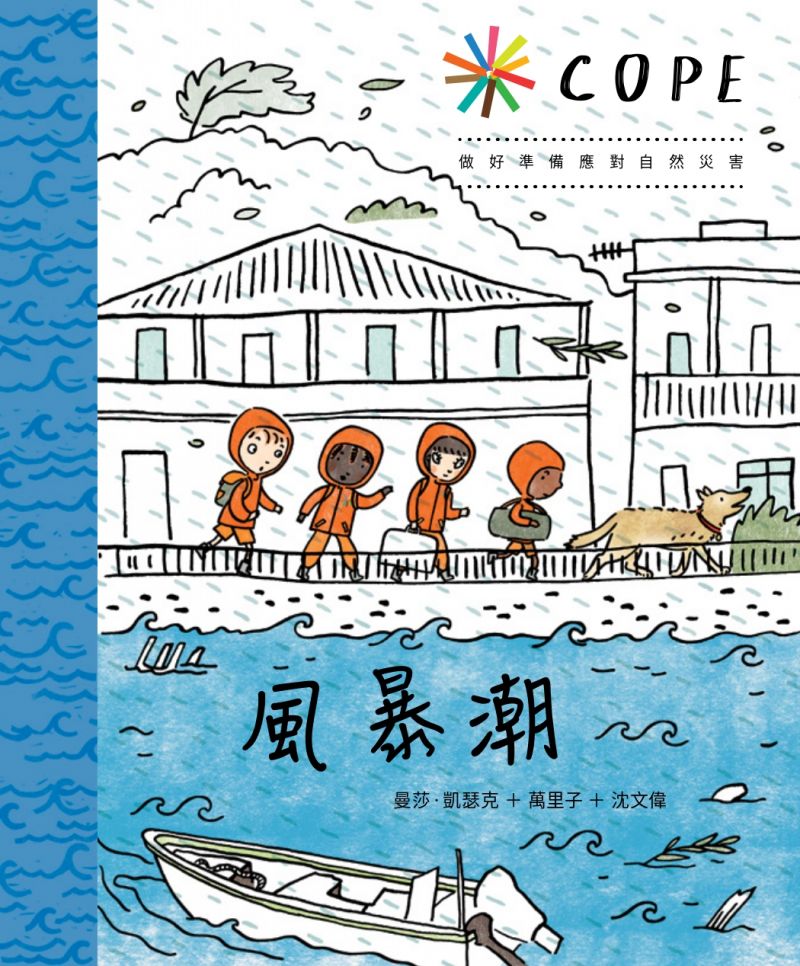
Click and join the COPE Storm Surges
The global COPE Disaster Book Series Website:

https://cope-disaster-champions.com/disaster-book-series/
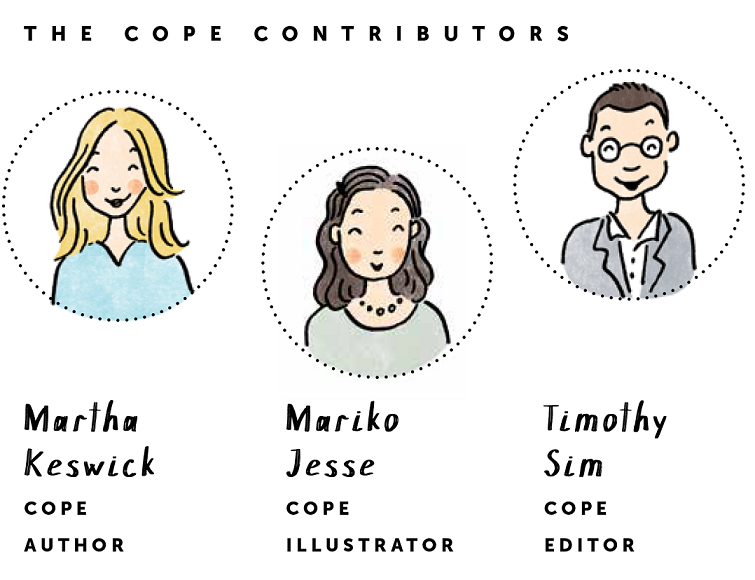
The Global Author, Illustrator and Editor Team of the COPE:
- Martha Keswick is the author of the popular bilingual Max and Mei picture book series, the factual Zhongguo Mingren Series about famous people of China and the action-packed Pangu comic book series. Martha’s work for the Keswick Foundation often supports disaster related projects in China.
- Mariko Jesse, the illustrator, studied at Central St Martins, where she was also an Associate Lecturer. She is a highly acclaimed freelance commercial illustrator, children’s book illustrator and printmaker specializing in Japanese woodblock printing.
- Dr Timothy Sim, the editor, started out as a social worker, specializing in family therapy and started focusing on disaster risk reduction, writing many books in Chinese and English since working with children, their families, schools, and communities affected by the horrific Wenchuan earthquake in 2008. Tim is currently a professor at the Singapore University of Social Sciences.
The Contents Localisation and Adaptation Team for Hong Kong Editions:
- Hong Kong Jockey Club Disaster Preparedness and Response Institute (HKJCDPRI)
- Hong Kong Observatory
- Dr Loretta Tam
- Dr Kwan Che-ying, Associate Professor, Centre for Advancement of Chinese Language Education and Research, The University of Hong Kong
Acknowledgement of Support:
WHO Collaborating Center for Community Health Services, School of Nursing, The Hong Kong Polytechnic University